

The Alps are a cheese lover’s dream – a striking region of undulating pastures, fresh air and years of craftsmanship that combine to create some of the world’s best cheese. But, alpine cheese is not just something to eat; it’s a heritage, an entire landscape and community wrapped into one wheel, wedge or block. The taste of mountain herbs, the season and patterns of life and generations of farmers and cheesemakers who have learned the trade create a recipe for success. From soft to hard aged varieties, alpine cheese exists as a testament to the strength of the region and those who call it home. This article reviews the story of the most prominent cheese from this region, revealing how history, geography and delicacy transformed this region into one of the largest producers in the world.
The Mountainous Environment That Creates Alpine Cheese
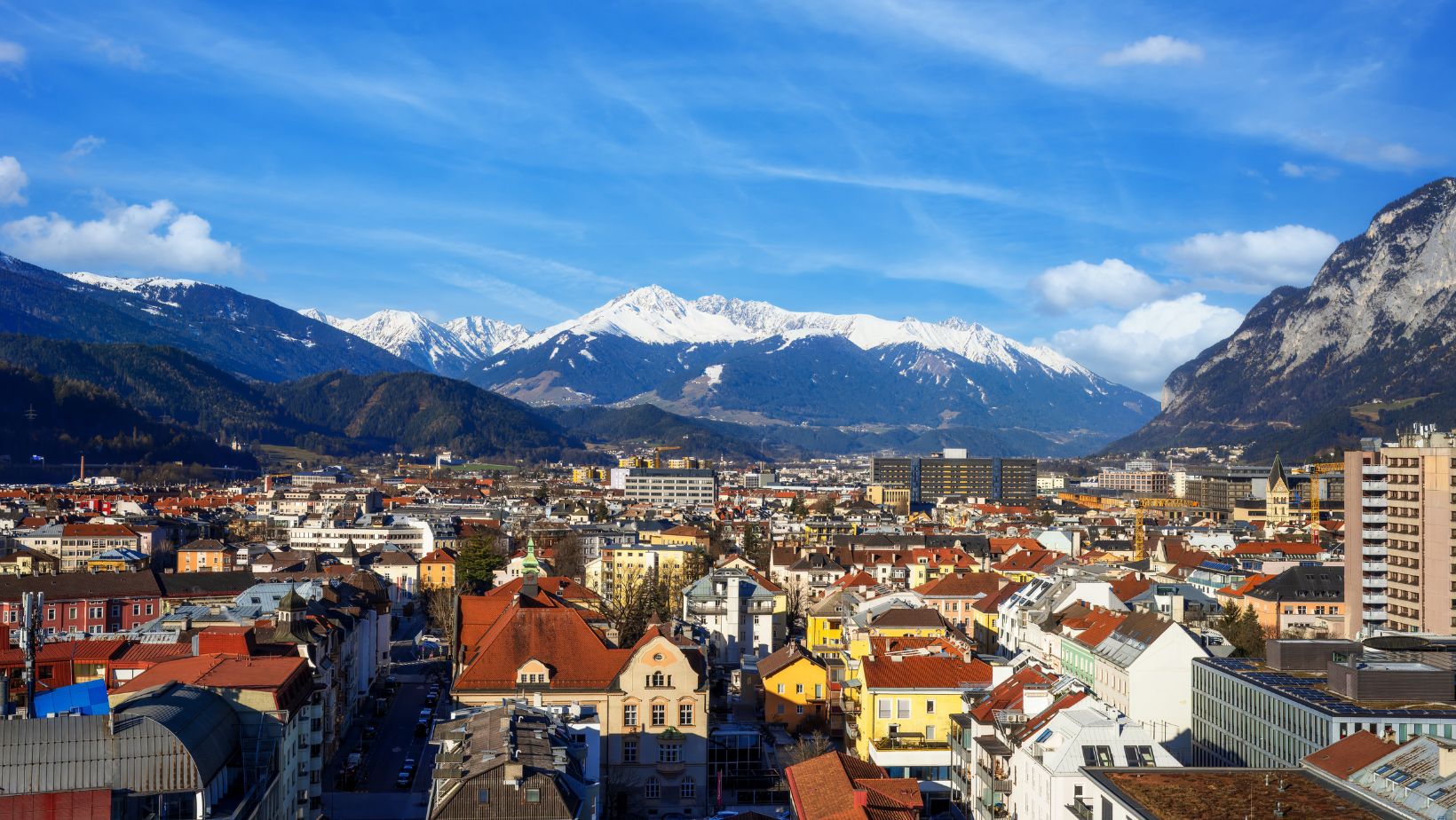
The geography of the Alps and other mountainous regions plays a large role in the characteristics of the cheese produced there. Geneva to Avoriaz ski transfers make it easy for travelers to journey straight into these pastoral regions, where the landscape that shapes Alpine cheese can be experienced firsthand. For example, these countries have many high pastures filled with various grasses, flowers and herbs that cows, goats and sheep are able to roam free and consume throughout their warmer, grazing months. This special diet will be reflected in the milk and therefore, cheeses produced. Moreover, the semi-cold winters/cool summers enable longer aging and firmer texture development in some cheeses. Traditional alpine barns and chalets made of wood and stone, coupled with humid precipitation-filled days/nights, assist in the aging process with stable temperatures. Each wheel becomes representative of the region’s high altitude, seasonal happenings, and textures developed over time which all add up to much more than one mountain life experience per region.
Gruyère – Swiss Nutty Masterpiece That Travels the World
Gruyère is one of the most popular cheeses on the planet. It’s a semi-hard cheese known for being extra nutty with the ability to melt wonderfully. Gruyère hails from Fribourg, Switzerland and has been made for generations through fresh milk from pasture grazing cows that live in the alpine pastures of its namesake region. Gruyère is heated, pressed, and then aged throughout various cellars where larger wheels develop in creamy character. Less aged Gruyères are smooth and softer while aged Gruyères carry deep savory characteristics. Gruyère is important because of its melting abilities in fondue, croque monsieur or French onion soup! Visiting a Gruyère dairy teaches tourists about the process intimately, one wheel at a time as precision and time are two major players in the aged stage.
Comté – The Heart of Alpine Cheesemaking in France
Comté is the most respected cheese of all in French Alpine cheesemaking. Produced in the Jura Mountains, it’s a raw cow’s milk cheese and can be aged with caramelized notes, toasted nutty flavors, and even floral or fruity elements depending on age/season. Made in large copper vats, Comté’s raw milk comes from smaller farms where herds graze on meditative meadows rich in wildflowers. After pressing, wheels are aged from a few months to many years in forts, larger style celars where affineurs brush, turn and assess each wheel for quality. There isn’t as much happening outside of aging each wheel – the flavor comes from plants consumed and characteristics are developed by a special niche aging process that requires detailed knowledge. Meeting an affineur intimately teaches one how much sensory detail is necessary for professional Francophone quality levels to be achieved over time.
Parmigiano Reggiano – The King of Cheese with an Alpine Spin
Though most often associated with the plains of Northern Italy, Parmigiano Reggiano (King of Cheeses) has an appreciation for the snow-capped mountains of the South. Producers of Parmigiano stock their dairies with cows that forage in the open pastures near the foothills. The means of production for Parmigiano Reggiano makes use of copper vats, extensive heating, and significant aging, like its high Alpine counterparts. Not only is it grainy and savory in taste with a slight crystallized snap when biting down, but it also incorporates centuries-old production practices that have not changed much since they first began. Parmigiano is aged for no less than 12 months, with some taking 24 or even 36 months for more character development. Aging gives a sense of terroir and time relative to the culture in which cheese-making is king.
Reblochon – A Luxury from the French Alps
A soft cheese with a semi-soft texture and subtly creamy quality, Reblochon hails from the French Alps, more specifically, Savoie – the region where it’s been made since the Middle Ages. Its name comes from when farmers would “re-milk” their cows after official inspections to get richer milk for their own cheesemaking pursuits. Thus, Reblochon is made still from raw milk and practices that preserve creaminess and an almost pastoral quality in taste without being too overpowering. It’s a washed rind with a mild, soft inside, perfect for the staple Savoie dish tartiflette that uses melted Reblochon cheese as a foundational component of potato-and-bacon goodness. The softer side of cheese culture emerges from Reblochon, as tastings often reveal a decadent mouthfeel that is easy to celebrate.
Emmental – The Swiss Staple with Holes
Emmental is known for its holes (notable in many cartoons). However, it’s also one of the most famous cheeses across Switzerland. Produced in wheels (8-24 kg) with a nice yield of cows’ milk, Emmental has a mild flavor profile, slightly sweet notes, and a smooth elastic texture. The holes form naturally throughout fermentation when gas-producing cultures release carbon dioxide. Thus, where other dense wheels might be less appealing to some, Swiss dairies using traditional methods appeal to those seeking out better quality. Unlike stronger counterparts, Emmental does not have super distinguishing flavors but boasts mouthwatering craftsmanship. Thus, it makes a great sandwich cheese, melt-in-the-mouth fondue cheese, or digestif cheese accompanying other classics.
Parmigiano Reggiano – The King of Cheese with an Alpine Spin
Though most often associated with the plains of Northern Italy, Parmigiano Reggiano (King of Cheeses) has an appreciation for the snow-capped mountains of the South. Producers of Parmigiano stock their dairies with cows that forage in the open pastures near the foothills. The means of production for Parmigiano Reggiano makes use of copper vats, extensive heating, and significant aging, like its high Alpine counterparts. Not only is it grainy and savory in taste with a slight crystallized snap when biting down, but it also incorporates centuries-old production practices that have not changed much since they first began. Parmigiano is aged for no less than 12 months, with some taking 24 or even 36 months for more character development. Aging gives a sense of terroir and time relative to the culture in which cheese-making is king.
Reblochon – A Luxury from the French Alps
A soft cheese with a semi-soft texture and subtly creamy quality, Reblochon hails from the French Alps, more specifically, Savoie – the region where it’s been made since the Middle Ages. Its name comes from when farmers would “re-milk” their cows after official inspections to get richer milk for their own cheesemaking pursuits. Thus, Reblochon is made still from raw milk and practices that preserve creaminess and an almost pastoral quality in taste without being too overpowering. It’s a washed rind with a mild, soft inside, perfect for the staple Savoie dish tartiflette that uses melted Reblochon cheese as a foundational component of potato-and-bacon goodness. The softer side of cheese culture emerges from Reblochon, as tastings often reveal a decadent mouthfeel that is easy to celebrate.
Emmental – The Swiss Staple with Holes
Emmental is known for its holes (notable in many cartoons). However, it’s also one of the most famous cheeses across Switzerland. Produced in wheels (8-24 kg) with a nice yield of cows’ milk, Emmental has a mild flavor profile, slightly sweet notes, and a smooth elastic texture. The holes form naturally throughout fermentation when gas-producing cultures release carbon dioxide. Thus, where other dense wheels might be less appealing to some, Swiss dairies using traditional methods appeal to those seeking out better quality. Unlike stronger counterparts, Emmental does not have super distinguishing flavors but boasts mouthwatering craftsmanship. Thus, it makes a great sandwich cheese, melt-in-the-mouth fondue cheese, or digestif cheese accompanying other classics.
Asiago – Italy’s Two Textured Alpine Gem
Asiago hails from the Italian plateau region of Asiago with over a millennium of cheesemaking, it is crafted from cow’s milk and comes in two versions: Asiago Pressato, a fresh, softer cheese with more mild character, and Asiago d’Allevo, the aged variety that’s more intense and crumbly. While each type caters to different palates, they’re both representative of the mountainous terrain that results in very grassy notes in each. Artisans have not strayed from traditional methods utilizing raw milk, limited volumes and extensive aging. Its duality showcases the differences in Alpine cheesemaking while appealing to those who like something a little more mild and those who like bolder flavors.
Raclette – The Melted Swiss and French Alpine Staple
Raclette is a cheese unlike any other. Historically, it was melted by farmers over an open flame in the Swiss region of Valais as it was scraped onto potatoes, pickles, and other cured meats. Today, Raclette is one of the most beloved communal dishes across the Alps. The semi-soft texture and mild but creamy flavor get an enticing pungent note once heated. Whether found in a small mountain hut or a stunningly wood-accented chalet, Raclette is the comfort of combined eating throughout the tourists and locals of the French and Swiss Alps alike. Its longstanding tradition boasts the hospitality of mountain culture and makes for a memorable dining experience.
Sbrinz – One of Europe’s Oldest Hard Cheeses
Sbrinz is heralded as one of the oldest cheeses in Europe. A hard cheese from Switzerland, Sbrinz boasts an intensely bold aroma that gets stronger with age. It’s made similarly to Parmigiano Reggiano with low temperatures, long maturation processes, and giant vats made from copper. Aging for three years brings about an almost overwhelmingly aromatic flavor. Historically, Sbrinz was taken along a former trade route known as the Via Sbrinz, connecting central Switzerland with their Italian counterparts. To taste Sbrinz is to taste history – a robust cheese that brings you back through time – an adventure with every bite that pays homage to mountain landscapes.
Tête de Moine – An Alpine Cheese Best Sliced
Tête de Moine – monk’s head – is inspired by a small mountain region of Switzerland, it’s a semi-hard cheese best not sliced at all, best instead with a girolle, a slicing tool designated for this cheese that shaves it into rosettes that curl up to get the most aroma from the cheese. The flavor comes from the grass and flora of the well tended pastures of the Jura mountains, from notes of butter and herbs to more compounded definitions of fresh air through the forest. It’s a great cheese for a cheesemonger who values craft, as with intention of girolle makes more edge that cheese has (which comes to the surface as more area equals more aroma). It’s not just the cheese itself but the craft, intentionality, ritual and collaboration surrounding its use that creates a culture around this cheese that sets it apart from mountain cheese thus making it integral.
Why Cheese Making in the Region Is an Art Form That Still Flourishes Today
Modernization hasn’t changed cheese making in the region because it comes from an artisanal place by those who know it best – even those who have known it best for generations. Many sub creators still possess small herds, interested/invested through manual techniques and seasonal practices to ensure balance. This was established and celebrated over 100 years ago with transhumance marking movement from high pastures to low pastures to ensure optimal grazing. Even how much one grazes in the summer is determined when that animal needs to come back down again. With such passion behind this processed fueled by long standing regional identity – from protected regions for decades – it seems that cheese made here tastes like history – from the mountains and the people who craft it.
Bergkäse – The Strong Cheese from the Highers and Alps Crafted from Mature Cows
Bergkäse basically means mountain cheese and for good reason; these cheeses are made from mature cows located in higher pastures from Austria and Germany. Grazing on alpine herbs as well as grass gives Bergkäse an intensely aromatic and savory flavor perfect for the strongest of palates. Its hard texture comes from firm wheel aged for many months (at least one) as it’s notes become nuttier. Visiting a bergkäse dairy helps define how it’s from the pastures which dictates what’s in the center of the wheels themselves. The cooler air keeps wheels in a more moist environment which gives additional flavor to rinds. The more flavor that accumulates within profiles helps tell a story that begins high in a pasture and ends in a tasting room for those who can appreciate the strongest of flavor orientations to culinary expertise developed through longstanding tradition.